
architecture & Built environment
Building Thermal Simulation Software for Architects and Engineers
Predict Building Thermal Performance And Occupant Comfort
In the modern AEC (Architecture, Engineering, and Construction) industry, achieving a balance between iconic design, occupant well-being, and aggressive energy targets requires more than just standard calculations. ThermoAnalytics provides the professional-grade simulation ecosystem necessary to predict complex heat transfer, air distribution, and human physiological response within the built environment.
How ThermoAnalytics Can Help
Architectural Engineering
ThermoAnalytics transforms the design process from reactive troubleshooting to proactive optimization. By integrating TAITherm, CoTherm, and the Human Thermal Extension, designers can validate complex geometries and material selections in a virtual environment, ensuring the final structure performs exactly as intended.
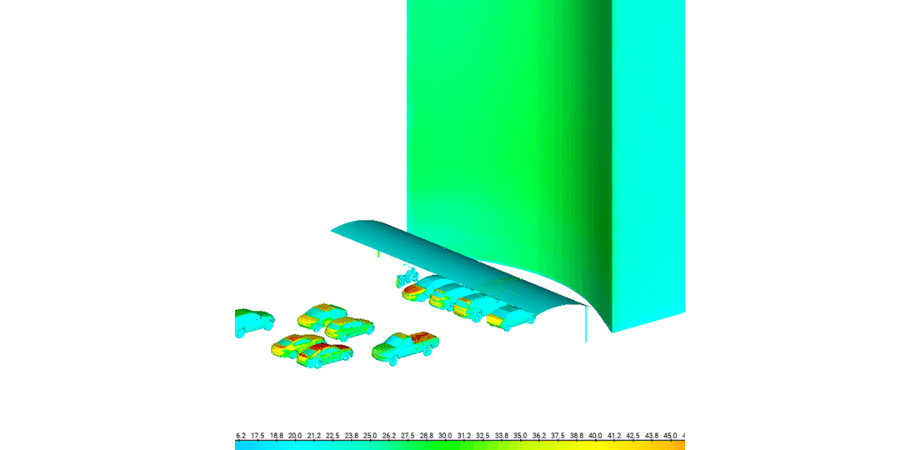
Advanced Design Validation & Risk Mitigation
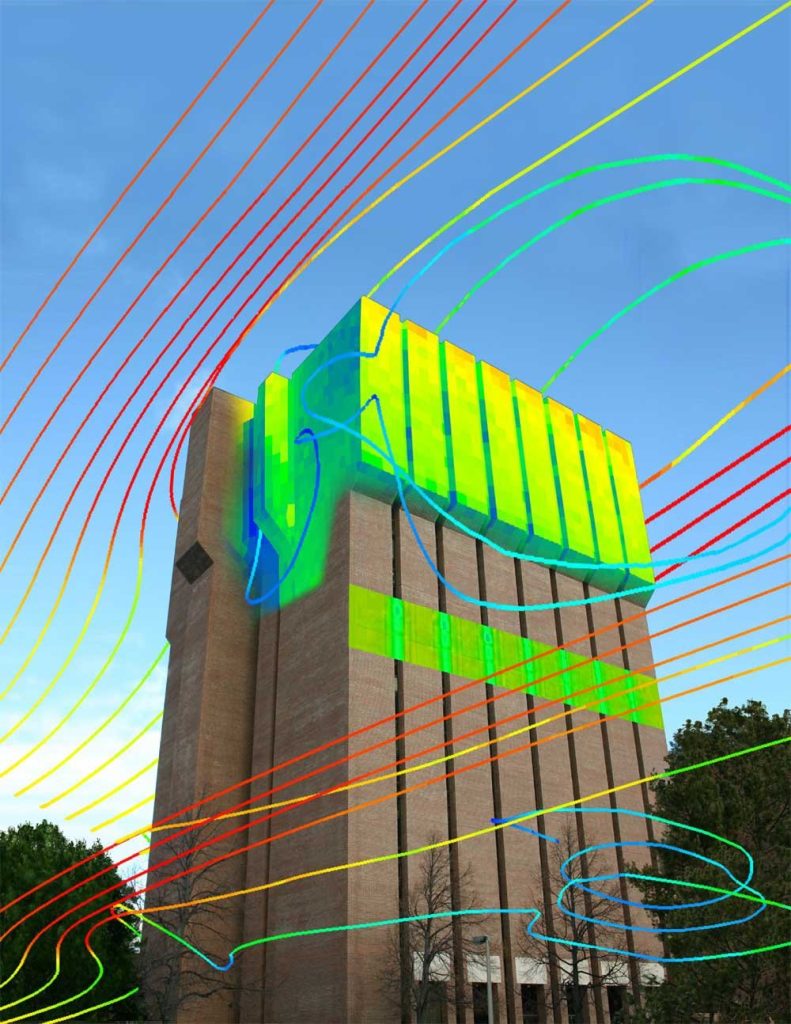
Traditional architectural calculations often rely on steady-state assumptions that fail to capture the reality of a building’s lifecycle. Our tools allow for Transient Analysis, simulating a full 24-hour cycle or seasonal shifts to identify “thermal lag” and peak load demands.
Solar Loading & Shading
Predict the impact of solar heat gain through complex curtain walls and glass facades, accounting for varying sun angles and self-shading geometries.
Thermal Bridge Identification
Locate structural weak points where heat escapes, preventing localized condensation and long-term material degradation.
Material Sensitivity Studies
Swap insulation types, glazing coatings, or cladding materials in the digital twin to compare performance-to-cost ratios before procurement.

Optimizing Occupant Experience
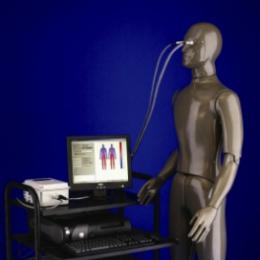
Building performance is ultimately measured by the comfort of its inhabitants. Our Human Thermal Extension goes beyond simple air temperature, calculating how humans actually feel within a space.
Asymmetric Radiation Analysis
Understand how a cold window or a sun-drenched floor affects a person’s thermal sensation, even if the thermostat reads a “perfect” 22°C.
HVAC Placement Strategy
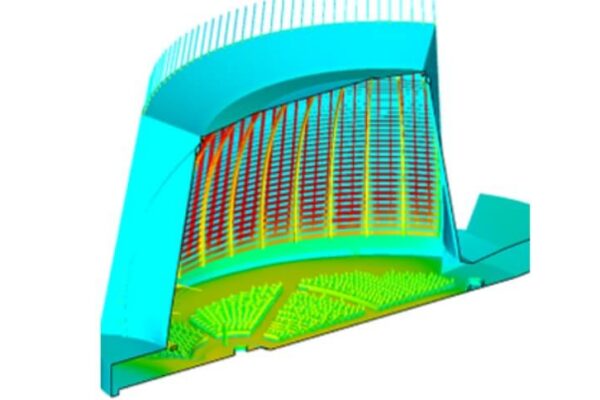
Use simulation to determine the most effective locations for diffusers and radiant panels, ensuring uniform comfort without over-conditioning the space.
Activity-Based Comfort and Countermeasures
Tailor environments for specific use cases—from high-activity gymnasiums to sedentary office layouts—by adjusting metabolic and clothing variables in the simulation.
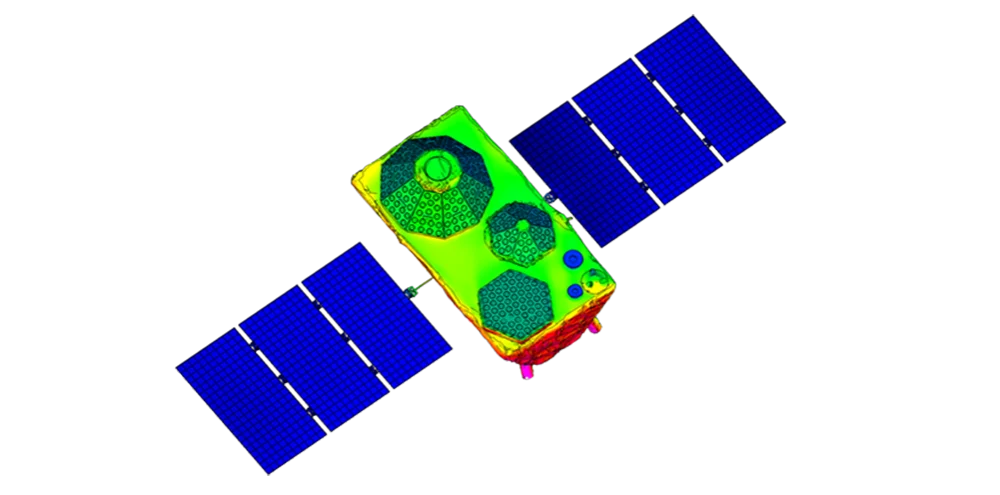
Satellite Thermal Management:
In the vacuum of space, radiation is the only mode of heat rejection. MuSES is uniquely equipped to handle the extreme “sun-to-shade” transitions that satellites experience in orbit. It allows engineers to model the effectiveness of Multi-Layer Insulation and radiators while accounting for the thermal influence of the Earth and the deep cold of space.
Orbital Thermal Cycles
Simulates the rapid transition from direct solar radiation to the cold soak of the Earth’s shadow.
Internal Component Management
Tracks the heat dissipation from onboard electronics and its impact on sensitive optical sensors.
Multi-Layer Insulation (MLI)
Models the performance of highly reflective vacuum-insulation blankets used in space.
Cryogenic Cooler Modeling
Analyzes the thermal environment for cooled sensors to ensure they maintain operational temperatures.
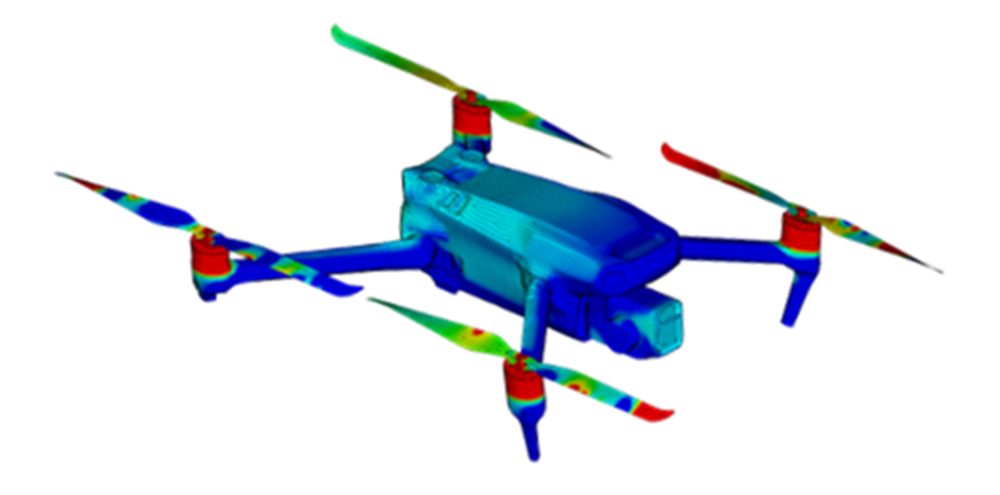
Unmanned Aerial Systems & Drones
As drones take on more reconnaissance and surveillance roles, their own thermal footprint becomes a vulnerability. MuSES helps designers optimize the placement of small, high-heat components like electric motors, batteries, and transmitters. It also simulates the drone’s “own-ship” sensor view, allowing engineers to test the detection range of the onboard cameras under various atmospheric conditions.
Motor & Battery Cooling
Analyzes the heat signature of electric motors and high-discharge battery packs.
Composite Material Modeling
Predicts the thermal behavior of carbon fiber and plastic airframes under solar load.
Reconnaissance Performance
Simulates the drone’s own sensor view to optimize the height and angle for maximum detection capability.
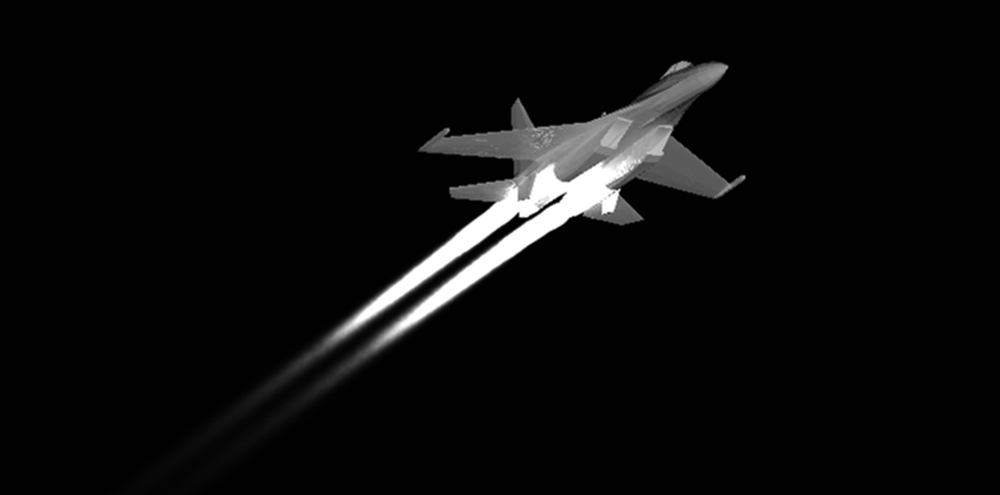
Plume Radiation & Signature Analysis
The exhaust plume of a gas turbine or rocket motor is often the most prominent infrared feature of an aerospace or defense asset. MuSES allows for the high-fidelity simulation of both the gaseous emission and the “searchlight effect,” where the hot internal cavity of the nozzle reflects off the plume or illuminates the airframe. By coupling fluid data with spectral radiation models, engineers can accurately predict the signature across the mid-wave (MWIR) and long-wave (LWIR) bands.
Spectral Emission Modeling
Accounts for the specific molecular emission lines of exhaust gases to determine the plume’s radiance against a cold sky.
Exhaust Mixing & Temperature Decay
Integrates with RapidFlow or external CFD to model how the mixing of ambient air and exhaust bypass reduces the thermal intensity of the plume.
Internal Cavity Reflection
Simulates the complex “row of mirrors” effect where high-temperature internal components contribute to the overall signature seen from the rear aspect.
Plume Masking & Shielding
Evaluates the effectiveness of structural shields or specialized nozzle geometries in physically obscuring the hottest regions of the exhaust flow.
Architectural Engineering Tools for
Thermal Modeling
Different teams use our tools in different ways. These are the products most commonly used across applications and industries.
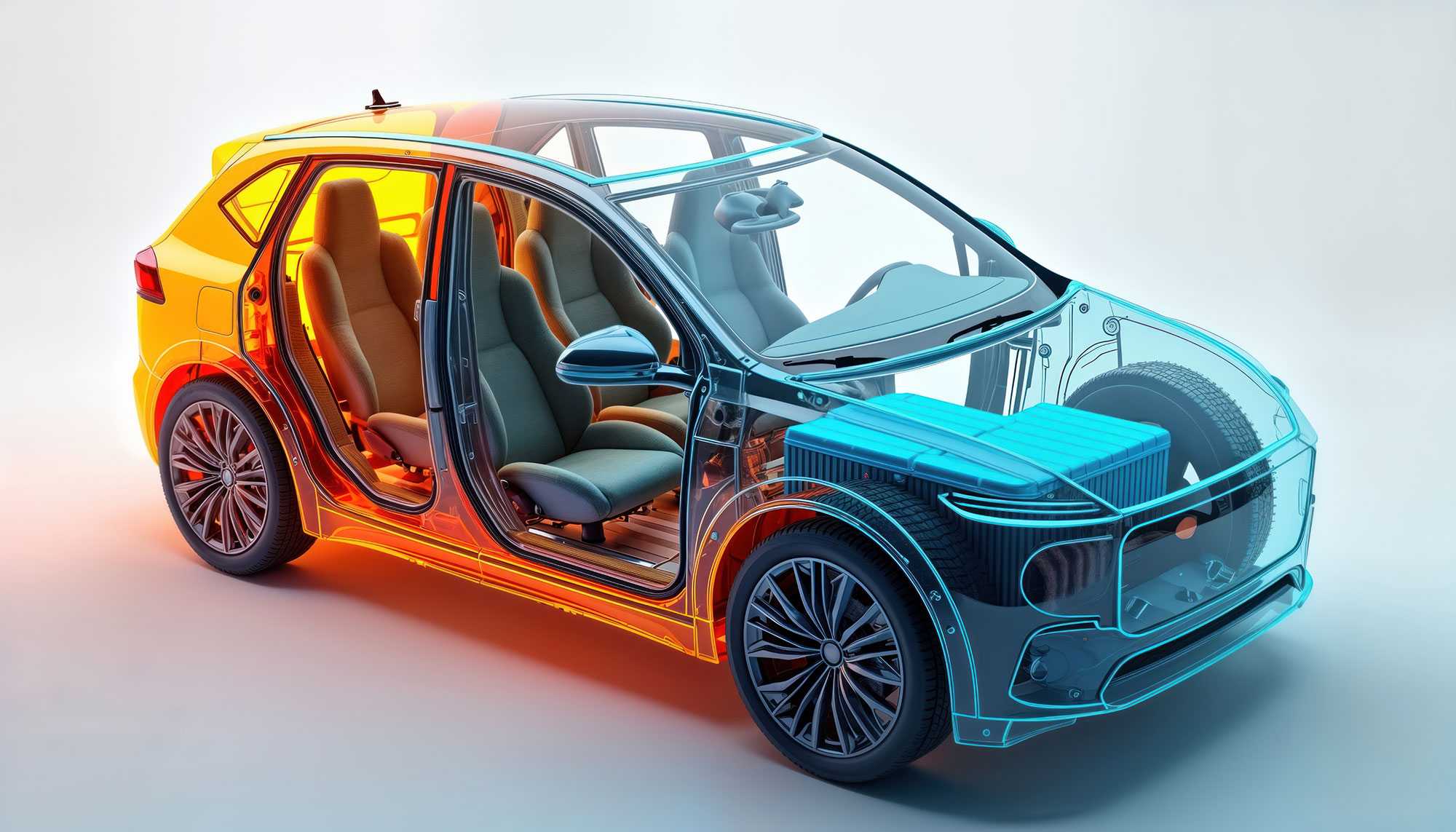

Simulate real-world thermal behavior across complete systems with validated, multiphysics accuracy.
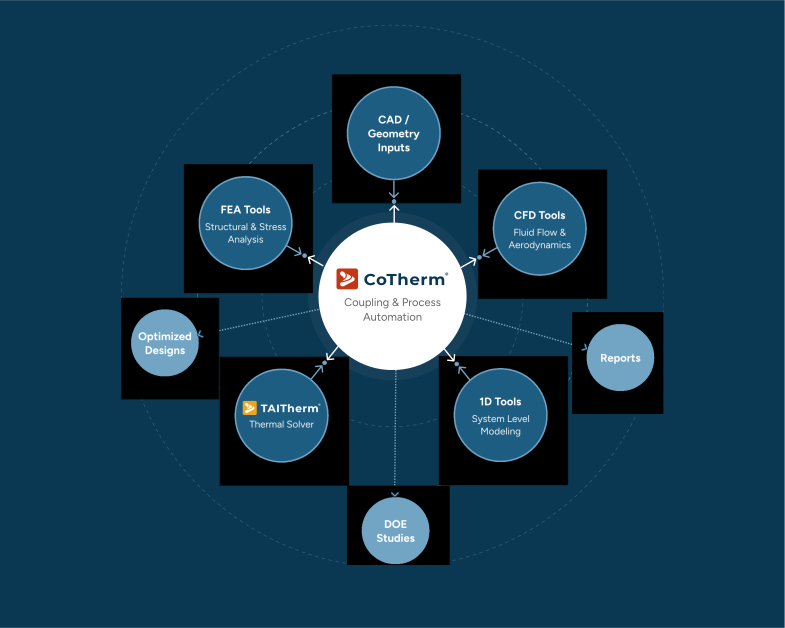

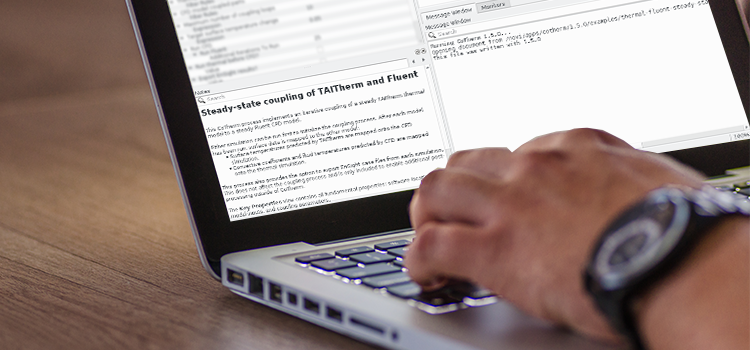
Automate, orchestrate, and streamline multiphysics simulation workflows across tools and teams.
Product Extensions
Human Thermal Extension
Predict real human comfort and physiology—not just PMV.
discover Human Thermal